wellness
Sleep Problems in Tucson: Why & How to Fix
Tucson sleep quality has declined sharply since 2022. Learn why desert heat and screen habits are keeping residents awake past midnight-and what actually works.
How we reported this
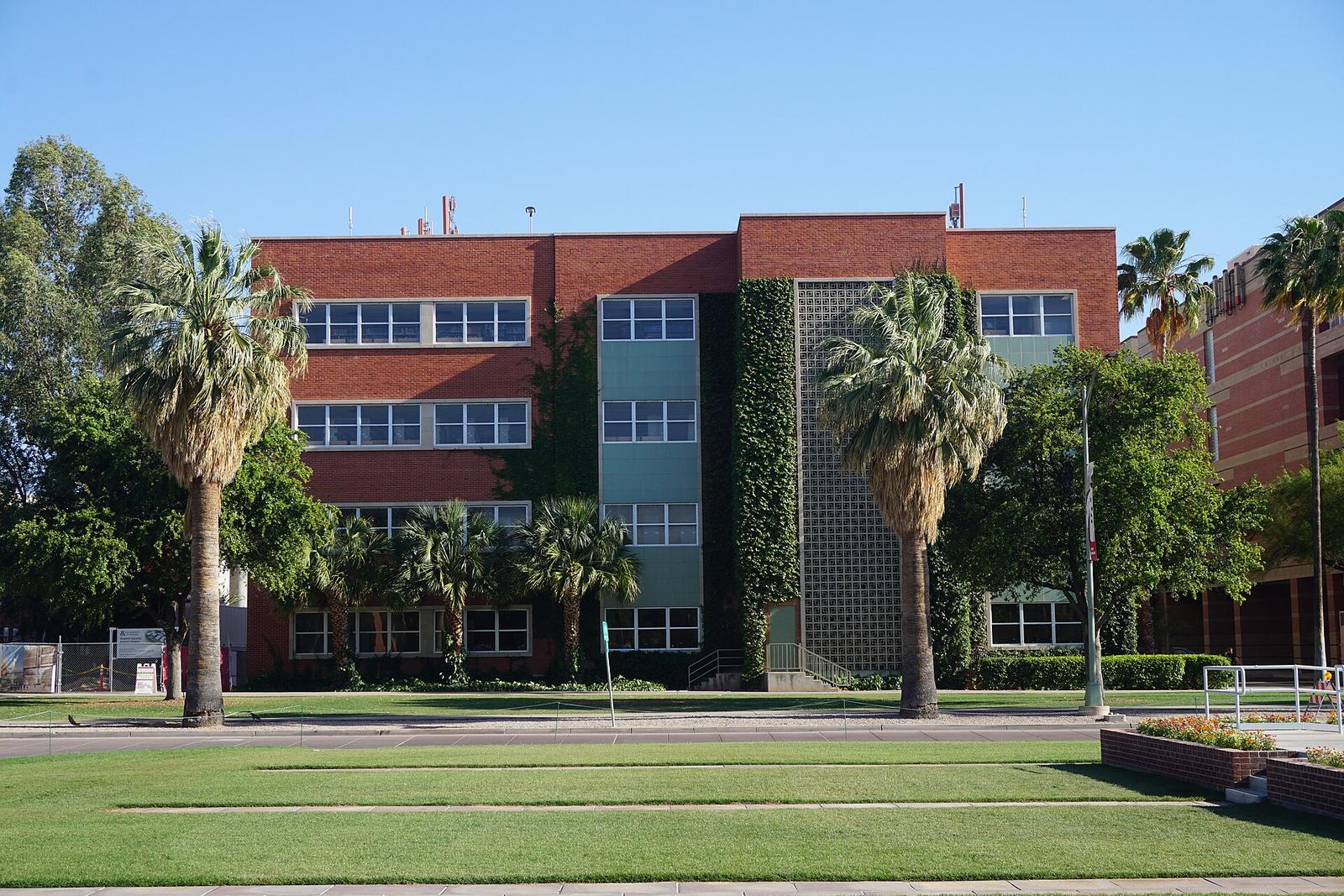
More than 35 percent of Pima County adults now report sleeping fewer than six hours on weeknights, according to University of Arizona health data released in May 2026.
The trend lines up with longer stretches of 100-degree days and heavier reliance on phones and laptops after dark. Tucson summers start earlier and run hotter than they did a decade ago, keeping bedrooms above 80 degrees past midnight even with fans running. At the same time, many residents who shifted to hybrid work during the pandemic kept the habit of checking email until 11 p.m.
Local wellness groups have noticed the shift on their own schedules. The Tucson Yoga studio on University Boulevard added a 7 p.m. wind-down class last year after members said they could not fall asleep before 1 a.m. Pima County Parks and Recreation began offering free guided sunset walks at Reid Park on Tuesday and Thursday evenings, drawing 40 to 60 people each session since the program started in April.
Heat and late-night screens drive the change
A 2025 University of Arizona study tracked 1,200 local volunteers and found average bedtime had moved 47 minutes later between 2021 and 2025. Participants who kept phones in the bedroom lost an extra 18 minutes of sleep compared with those who charged devices in another room. Nighttime lows in central Tucson have risen an average of 3.2 degrees since 2015, according to National Weather Service records for the airport station.
Practical steps already working for some residents
People who swapped evening scrolling for a 20-minute walk along the Rillito River path or who set a 10 p.m. device curfew gained back 35 to 50 minutes of sleep within two weeks, the same study showed. The county library system now lends blackout curtains and white-noise machines for two-week periods from its main branch on East 22nd Street. Several downtown employers, including the city government, began reimbursing up to $120 for portable air-conditioning units for bedrooms after employees reported fatigue-related absences. Residents who want personalized guidance can book a free 30-minute consult through the University of Arizona Campus Health sleep clinic, which added evening slots this summer.
Small, consistent changes at home continue to show the clearest results for people living near downtown and the university area.