property
First-Time Buyers: $500K-$700K Homes Across Tucson's Top Suburbs
Navigating Tucson’s neighborhoods: From central bungalows to growing foothills, how far your budget goes, and which grants are available.
How we reported this
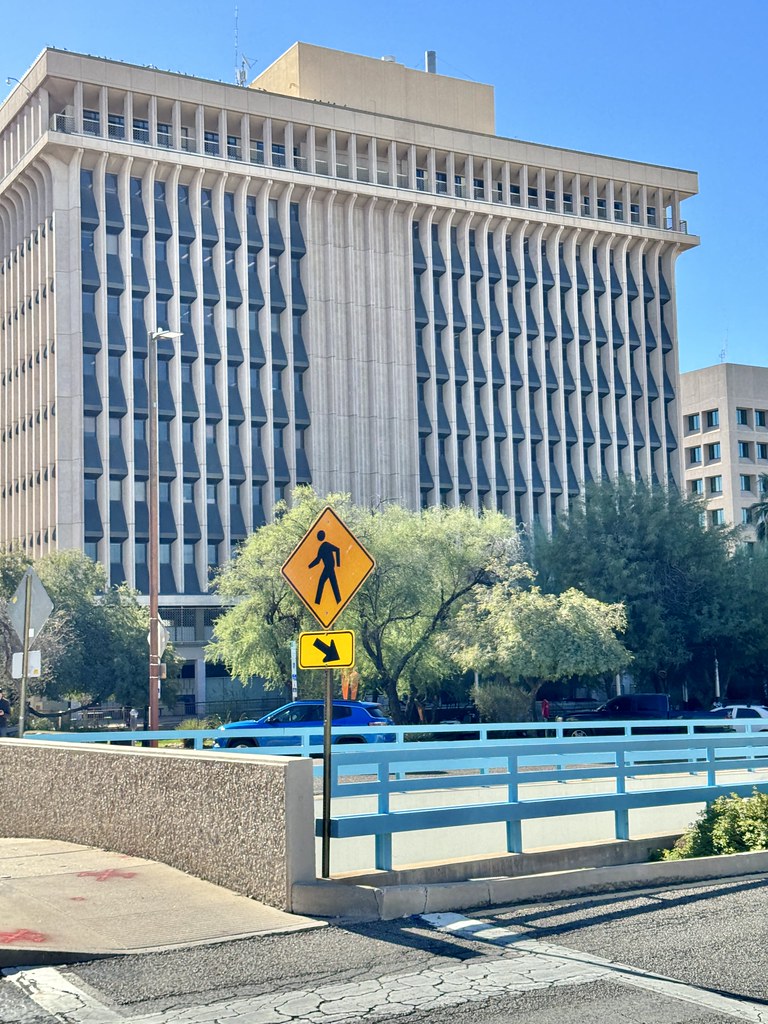
In Tucson’s rapidly evolving property market, a budget of $500,000 to $700,000 opens the door to a broad range of homes-but the choices vary greatly across the city’s neighborhoods. Prospective first-time buyers scanning listings this week will find a striking difference between historic central districts, foothills retreats, and booming suburban blocks.
This price bracket is now a key battleground for entry-level buyers as affordability pressures rise amid ongoing demand. The City of Tucson’s steady job growth, strong rental market, and a still-competitive supply of homes have nudged more aspiring owners to weigh exactly what their budgets can secure in 2026. Programs like Pima Tucson Homebuyer’s Solution are under close attention as entry prices inch up in well-loved and emerging areas alike.
Where $500k to $700k Goes: Barrio to Foothills
For many, the historic heart of Tucson is the first destination. Around Fourth Avenue and the Armory Park District, listings in the $500k-plus range typically feature classic adobe bungalows or Spanish Revival homes on tree-lined streets such as 14th Street and 6th Avenue. These properties trade on their proximity to the University of Arizona, downtown nightlife, and popular spots like the Tucson Museum of Art. Space is at a premium: expect two to three bedrooms and lower-maintenance yards, with much of the budget paying for location and character rather than square footage.
Heading north, the Catalina Foothills present an entirely different scene. Homes within the $700,000 ceiling here often deliver panoramic mountain views, spacious three- or four-bedroom layouts, and updated amenities. Developments along North Campbell Avenue and Sunrise Drive commonly include access to private pools, gated communities, and top-rated schools. Properties in this pocket are in high demand among buyers seeking privacy and a more suburban living experience, albeit further from Tucson’s city center.
Vail, a fast-growing suburb southeast of Tucson, attracts families chasing new construction, larger lots, and neighborhood parks. For budgets in this range, buyers can secure modern four-bedroom homes with generous backyards, within walking distance of local elementary schools and community playgrounds. Further west, in Menlo Park near the Mercado San Agustin, buyers with $500,000 to spend are likely to see renovated mid-century homes, often within a short drive or bike ride to downtown events like the Tucson Folk Festival.
Grant Programs and the Real Numbers
The City of Tucson partners with the Industrial Development Authority of Pima County to offer programs such as the Pima Tucson Homebuyer’s Solution. This initiative, boasting zero-interest down payment assistance to eligible buyers, is designed to help first-timers manage the leap into ownership as market prices have climbed. According to regional data reported in the first half of this year, homes in central neighborhoods and the foothills commonly list within or above the $500k-$700k bracket, underscoring the need for such financial support.
Local lenders-including organizations like Nova Home Loans and Vantage West Credit Union-work with these grant programs to provide flexible mortgage products for qualified buyers. First-time buyers are encouraged to check eligibility for county-backed initiatives, as well as education workshops offered through the Tucson Association of REALTORS® that help demystify the buying process and capitalize on available assistance.
Looking ahead, buyers targeting the $500,000 to $700,000 range should come prepared for competitive bidding in core and foothills neighborhoods. Experts suggest touring properties early, lining up financing through one of the city-endorsed programs, and securing pre-approval before approaching agents in high-demand districts. For those set on Tucson’s historic downtown or established suburban pockets, acting quickly-and drawing on local purchase assistance-remains crucial in this ever-tightening market.
This article is general information only and is not personal financial or investment advice. Consider your own circumstances and seek licensed professional advice before making financial decisions.