Politics
Tucson Budget Passes Utility and Housing Relief for Lower-Income Families
A package of city-level measures passed this fiscal year is expected to reduce some recurring costs for lower- and middle-income Tucson residents, though the full benefit depends on household income and whether residents actively enroll.
How we reported this
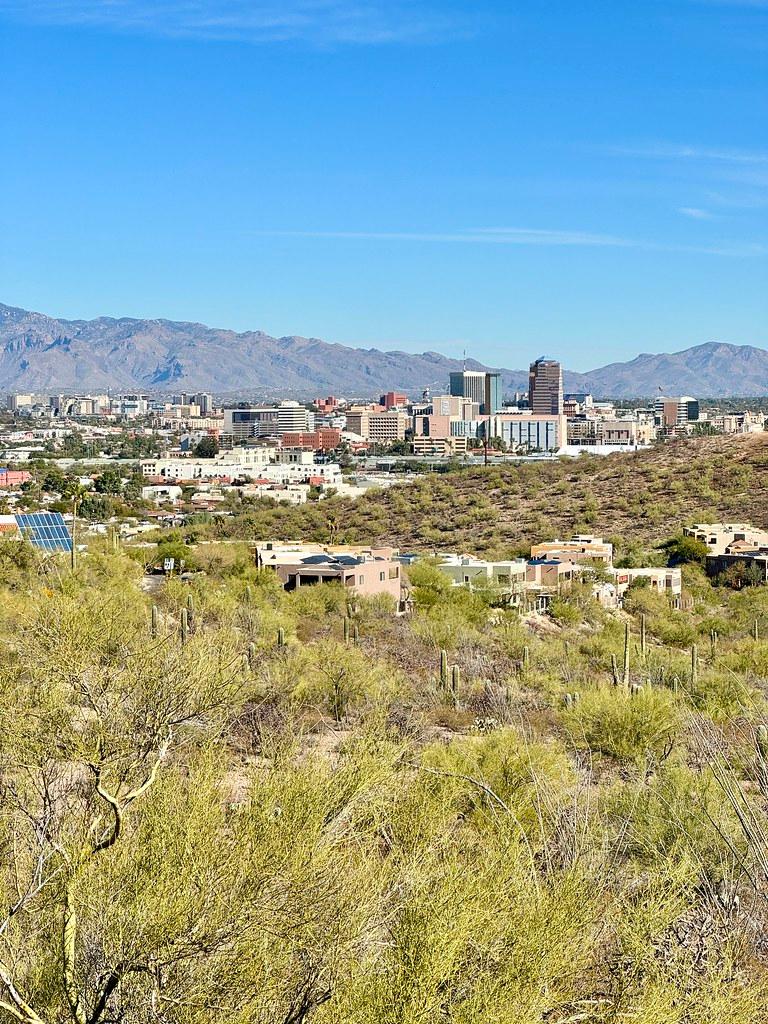
Tucson's fiscal year 2026 budget, adopted by the Mayor and Council earlier this year, includes a set of policy adjustments that city officials say will directly affect what residents pay for water, housing-related fees, and bus service. The measures apply broadly, but their largest effects are concentrated on households earning below 80 percent of the area median income, a threshold the city uses to define affordability eligibility under its existing Low Income Household Water Assistance parameters. For a family of four in Pima County, that currently sits at roughly $62,000 per year.
The timing matters. Tucson's consumer costs have climbed alongside national trends: the Tucson metropolitan area recorded annual inflation above five percent in several categories during 2024, including shelter and energy, according to Bureau of Labor Statistics regional data. Water and electricity bills have drawn particular attention from community organizations, with Tucson Water completing a rate review that took effect in January 2026 and Sun Tran bus fares remaining a household-budget line item for the roughly 5.5 million annual boardings the system recorded in fiscal year 2025.
What the Changes Mean at the Household Level
The budget directs an expansion of the city's Customer Assistance Program, administered through Tucson Water, which discounts monthly water bills for qualifying low-income customers. City documents project the expanded program will reach approximately 2,000 additional households in fiscal year 2026, with eligible customers receiving a 30 percent reduction on the base service charge. For a household paying a typical monthly water bill in the $40 to $55 range, the discount translates to roughly $12 to $17 per month, or up to $200 per year. Residents must apply through Tucson Water's customer service office on South Stone Avenue or through the city's online portal to receive the benefit automatically on their bill.
Sun Tran, the city's bus network, is separately holding its base adult fare at $1.75 per single ride through the end of calendar year 2026, after the Mayor and Council declined to approve a proposed fare increase during spring budget negotiations. Local transit advocates had argued that any increase would disproportionately affect the corridor between South Tucson and the University of Arizona, where ridership density is highest and car ownership rates are lower than the city average. The city's transportation department expects federal formula funding from the Federal Transit Administration's Section 5307 program to cover the revenue difference.
Housing Fees and What Comes Next
On the housing side, the city adjusted its development fee schedule, a less visible but consequential change for renters. Development impact fees, paid by builders when new units are permitted, influence construction costs that landlords eventually pass to tenants. The revised schedule, which took effect July 1, 2026, caps increases on multifamily residential projects at three percent per year rather than the five percent annual escalator previously in place. City planners say the change is projected to marginally reduce per-unit construction cost pressure, though policy analysts caution that impact on actual rents depends heavily on overall housing supply and market conditions in any given neighborhood.
Pima County's most recent Community Needs Assessment, published in late 2025, found that 47 percent of Tucson renters were cost-burdened, meaning they spent more than 30 percent of gross income on housing. That figure has remained above 40 percent for the better part of a decade, underscoring the gap between what city-level fee and utility policy can accomplish and the broader affordability challenge the region faces.
Residents who want to apply for the expanded Tucson Water Customer Assistance Program or verify Sun Tran reduced-fare eligibility can contact the city's One Stop shop at 255 West Alameda Street or visit the city of Tucson's official website. Enrollment for the water assistance expansion opened July 1, and the city says the first discounted bills for new enrollees are expected to appear in the August billing cycle.