Politics
Tucson's Infrastructure and Housing Initiatives: What the Timeline Looks Like for Residents
Mayor Regina Romero's office has outlined a multi-phase policy agenda targeting road repairs, affordable housing, and public transit, here is when each piece is expected to reach neighborhoods.
How we reported this
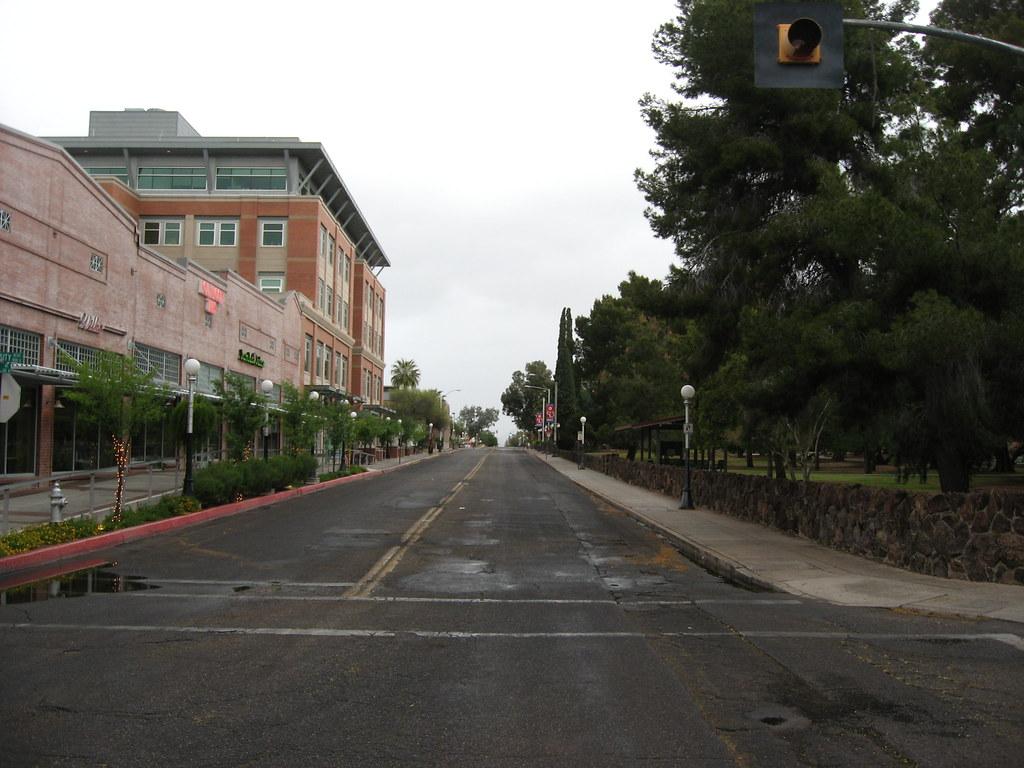
Tucson city government is midway through a policy cycle that touches nearly every major service residents depend on, from pothole repairs on south-side arterials to new affordable housing units near the University of Arizona. Mayor Regina Romero's administration has tied several overlapping initiatives to the city's fiscal year 2026 budget, which carries a general fund allocation of approximately $697 million. The question most residents are asking is not whether the work is planned, but when they will actually see results on their block.
The timing question matters more acutely now because Tucson is in the middle of its summer construction window, the narrow period each year when asphalt crews can work before monsoon season complicates ground conditions. The city's transportation department is currently operating under a five-year Pavement Preservation Plan, adopted in 2023, that prioritizes arterial corridors before moving to residential streets. That sequencing means residents in areas such as South Tucson-adjacent neighborhoods and parts of the Rincon Heights district may wait until late 2026 or into 2027 before scheduled resurfacing reaches their streets.
Housing and Transit: The Phases Residents Need to Know
On affordable housing, the city is administering funds drawn partly from its Community Development Block Grant allocation and from the Arizona Department of Housing's rental assistance programs. The Tucson City Council approved a housing action plan in late 2024 that set a target of 1,000 new affordable units by the end of 2027. Construction on several parcels, including sites near the Ronstadt Transit Center downtown and along the Speedway Boulevard corridor, is projected to begin in the fourth quarter of 2026. Residents on waiting lists through the city's housing services division should not expect new inventory to open until at least mid-2027, city housing officials have indicated in public commission meetings.
Sun Tran, Tucson's public transit system, is separately working through a service expansion tied to federal formula grants under the Federal Transit Administration's Section 5307 program. A route frequency increase on the Route 16 and Route 8 lines, which serve high-density residential areas along Oracle Road and Alvernon Way, is expected to take effect in October 2026, pending final federal reimbursement approval. For the roughly 44,000 daily boardings Sun Tran recorded in fiscal year 2025, even a modest headway reduction from 20 minutes to 15 minutes on core routes would represent a meaningful change in commute reliability.
What the Budget Numbers Reveal About Priorities
The city's capital improvement program for fiscal year 2026 directs approximately $38 million toward transportation infrastructure, with a further $12 million earmarked for parks and recreation upgrades, including restroom replacements at Brandi Fenton Memorial Park and field lighting at Udall Park. Residents who follow City Council meeting agendas will notice that several of the larger capital contracts, particularly for the Broadway Boulevard reconstruction project, remain in design review through summer 2026, pushing ground-breaking toward January 2027 at the earliest.
Policy analysts who track municipal finance note that Tucson, like many mid-sized American cities, depends heavily on federal pass-through dollars to complete capital work. Any shifts in federal discretionary spending, including continued uncertainty around Community Development Block Grant funding at the national level, could compress or delay the timelines the city has publicly committed to. City budget documents from the current fiscal year acknowledge this dependency, noting that approximately 22 percent of the city's capital budget relies on intergovernmental transfers.
For residents trying to plan around these timelines, the most practical tool available is the city's online project tracker at tucsonaz.gov, which lists active construction contracts by council ward and estimated completion date. The next scheduled City Council study session on infrastructure progress is set for late July 2026, where department heads are expected to provide updated milestone reports. Residents with questions about specific street segments or housing programs can also contact their ward office directly, as ward representatives have access to project-level scheduling data that is not always reflected in the public tracker in real time.