news
Tucson Fire Department Struggles With Paramedic Shortage During Peak Summer Heat
A shortage of paramedics and firefighters is slowing response times across the city, leaving residents vulnerable during the peak heat season when 911 calls spike.
How we reported this
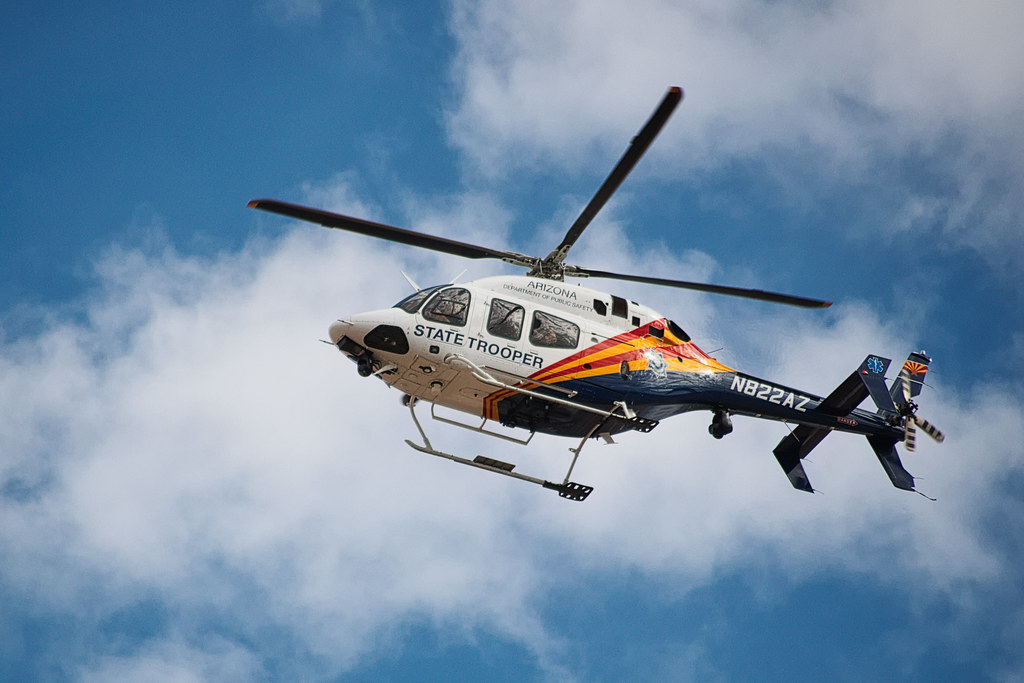
The Tucson Fire Department is running 15 percent below its authorized staffing levels this summer, creating dangerous gaps in emergency coverage across a city where temperatures regularly exceed 110 degrees and call volumes surge. The department's current roster sits at 623 firefighters and paramedics against a budgeted total of 733 positions, leaving entire shifts undermanned during the hours when heat-related emergencies peak.
The timing could not be worse. From June through August, Tucson's 911 dispatchers handle an average of 2,100 calls per day-roughly 40 percent higher than winter months-according to city emergency services data reviewed this week. Many involve elderly residents suffering heat exhaustion, diabetics in crisis, and cardiac patients whose conditions worsen in the extreme heat. Slower response times can mean the difference between recovery and permanent injury or death.
Fire Chief Ron Sharps told the city council in May that recruitment and retention have become critical problems. The department has lost 87 firefighters in the past three years to retirement, relocation, and burnout. The academy class that graduated in April brought only 24 new recruits-insufficient to offset departures. Meanwhile, overtime costs have ballooned to cover shifts. In fiscal year 2026, the department spent $8.7 million on overtime pay, eating into the general budget and limiting funds for equipment upgrades.
Why This Matters Right Now
Response times across Tucson's south and west sides have stretched to concerning levels. Station 19 on South 12th Avenue, which covers the Barrio Santa Rosa neighborhood and south Tucson, reported average response times of 8 minutes and 34 seconds in May-up from 6 minutes and 52 seconds the previous year. The national standard for life-threatening emergencies is 4 minutes. Downtown and midtown areas near Station 1 on North Stone Avenue perform better, but peripheral neighborhoods experience significant delays.
The Tucson Police Department's mental health crisis response unit has also been affected. Officers have had to handle more welfare checks and psychiatric emergencies that traditionally involved paramedics, stretching police resources thin. The city's mobile crisis team, based out of the Health Department's downtown office on East Fort Lowell Road, receives increasing numbers of referrals but lacks the transport capacity to respond to all calls in real time.
Data from the city's 2026 budget documents shows that Tucson spends approximately $247 million annually on public safety, with the fire department consuming $156 million. Yet the department's capital equipment needs-replacement of aging ambulances, updated cardiac monitors, thermal imaging cameras-amount to $12 million, money officials say is not available given the current staffing crisis. Seven of the department's 34 ambulances are over 12 years old and require frequent repairs.
Finding Solutions in a Tight Budget
City officials are exploring several options. The fire department has increased the starting salary for new firefighters to $52,000 annually, a 6 percent bump from 2024, hoping to compete with neighboring Phoenix and Mesa departments. Retention bonuses of up to $3,000 are being offered to experienced paramedics who commit to staying through 2027. The city is also reviewing the possibility of opening a second recruit academy class in October instead of waiting for the traditional spring cycle.
Mayor Regina Romero's office confirmed that emergency services staffing will appear on the August city council agenda. Community leaders from South Tucson, including representatives from the South Tucson Community Services Center, have requested meetings with the mayor to discuss response time concerns in their neighborhoods.
Residents who live in areas with longer response times can take practical steps: keep emergency numbers posted by phones, learn CPR through classes offered at the downtown Tucson Fire Department headquarters on North Stone Avenue, and ensure elderly neighbors check in during peak heat hours. The city's 211 helpline can direct residents to cooling centers and emergency assistance programs. Small precautions now can prevent emergencies that strain an already stretched system.